

How can a Canadian Chinese CIO Overcome Work and Culture Challenges in Shanghai?
今年迎来了香港回归25周年,内地金融行业改革开放以及内地和香港资本市场双向开放取得的成果大家有目共睹。作为一名金融行业从业者,我曾经在香港工作,并且随着公司的业务发展而有机会来到上海工作,接下来我会根据自身从业经历,和大家分享一下过去二十几年间,我在两地金融互通开放层面感受到的深刻发展变化。
Senan Yuan, Chief Investment Officer, Fidelity International
今年迎来了香港回归 25 周年,内地金融行业改革开放以及内地和香港资本市场双向开放取得的成果大家有目共睹。作为一名金融行业从业者,我曾经在香港工作,并且随着公司的业务发展而有机会来到上海工作,接下来我会根据自身从业经历,和大家分享一下过去二十几年间,我在两地金融互通开放层面感受到的深刻发展变化。
1999年底,我决定从加拿大搬到香港,想要在职业道路上探索更多可能。这对于当时的我来说是一个大胆的想法。也正是这个决定,让我往后的工作和生活,都与香港和中国内地市场紧密联系在了一起。

在我刚搬到香港不久后,香港交易所(HKEX, 香港交易及结算所有限公司)在2000年6月27日成功上市,成为世界上最早一批上市的证券交易所。我对此次 IPO 记忆深刻,当时我正供职于一家为香港的银行和券商提供交易平台的科技公司,我到现在都还记得港交所上市首日的收盘价在10港元左右。
那时恒生指数差不多是在12,000点上下徘徊,我当时正在筹备这家科技公司在香港联合交易所创业板上市的相关工作。在那段时间,在香港上市的公司大部分都是科技企业。但随着互联网泡沫的破裂,我看到投资者对科技板块的热情迅速退潮,并很快开始将目光投向其他增长机会,而其中最受瞩目的就是飞速发展的中国。

凭借其国际金融中心的优势以及与内地的紧密联系,香港因此成为境外投资者通往内地这一广阔增长市场的门户,当时有很多大规模的IPO项目都让我印象深刻。比如2005年,中国建设银行选择在香港上市,募资金额达到了716亿港币,是当时最大规模的上市新股。就在次年2006年,中国工商银行在港上市,刷新了全球最大规模IPO记录,而它也是首家在A股和H股同步上市的公司。
2007年,我加入了富达国际。富达以自下而上的基本面研究著称,对中国内地市场的关注和布局也早已在21世纪初期就已经铺开,当时我们有很多基金经理都对投资内地市场非常感兴趣。
在富达,我的一项主要职责就是探索合格境外投资者(QFII, Qualified Foreign Institutional Investor)制度下的机会,这也是当时唯一一个允许外国投资者投资于内地市场的机制。尽管富达的QFII申请进度受到2008年全球金融危机影响稍有暂缓,但在2009年重启后,我们很快于2010年获得了QFII牌照,并在次年进行了第一笔对内地A股市场的直接投资。

QFII可以说是我在富达工作期间最喜欢的、也是很有成就感的项目之一,这个历时两年的项目涉及到与内地以及全球其他市场监管机构的广泛沟通讨论,需要系统性地完成规划、操作设计、合规审查和投资协调等一系列工作。
在富达的QFII投资正式启动之后,我每年都会和团队一起来到内地,争取申请更多的QFII额度。通过我们持续的努力,富达最大的三只基金都得以投资到内地证券市场,而且在2011至2014的三年间,通过QFII投资中国市场的富达基金数量快速增长到了15只。
2014年,“沪港通” (Shanghai-Hong Kong Stock Connect) 正式推出。互联互通机制是香港、上海、深圳交易所之间一项独特的合作模式,这为海外投资者投资内地股票市场以及内地投资者投资香港股票市场提供了良好且便利的渠道。作为投资者,一个充满潜力的市场的持续开放对于我们的工作至关重要,因此当我得知“沪港通”上线的时候,你可以想象我有多么欣喜和激动。“沪港通”目前涵盖了三地2000多只符合资格的股票。不过,对于寻求更加多元化投资的投资者来说,QFII仍是唯一途径。以富达为例,鉴于不同的客户需求以及监管要求,目前我们有超过100只基金是通过QFII以及互联互通机制投资于内地市场。

除了作为重要的新股集资市场以及连通境内外股票市场之外,香港市场在促进其他投资资金的跨境流动方面也发挥着重要作用。根据香港金融管理局的数据显示,内地有三分之二的外国直接投资(FDI)以及对外直接投资(ODI)增量是从香港进入或者通过香港这一中间桥梁完成。香港拥有全球最大的离岸人民币资金池,达到6000亿元人民币,能够提供较好的流动性 (liú dòng xìng; fluidity)。
全球范围内,超过70%的人民币支付是通过香港结算,并且香港的人民币外汇和衍生品交易额在离岸市场中也是最高。
时至今日,与我早年的从业经验相比,随着QFII以及互联互通机制的扩容,全球投资者进入中国市场的渠道已经日臻丰富和完善。截至2021年12月,互联互通机制下,已有1.5万亿元人民币净流入内地股票市场,以及2.1万亿港元内地资金净流入到港股市场。
25年以来,经历过1997年亚洲金融危机、2003年“非典”疫情、2008年国际金融危机、2020-2022年“新冠”疫情,纵然有诸多风雨与挑战,香港如今依然屹立于香江之畔,扮演着中国与全球资本市场“超级联系人”的重要角色。
就在我写这篇文章时,我留意到香港交易所的股价已涨到300多港元,我认为由此也可以反映出香港长期以来在全球金融市场中的重要地位。
展望未来,随着人民币国际化、中国市场的进一步开放、两地金融市场互通互联的深化以及粤港澳大湾区的建设加速,我相信香港金融业的大时代与大繁荣将有望展开新的篇章。

You Learn, You Earn.
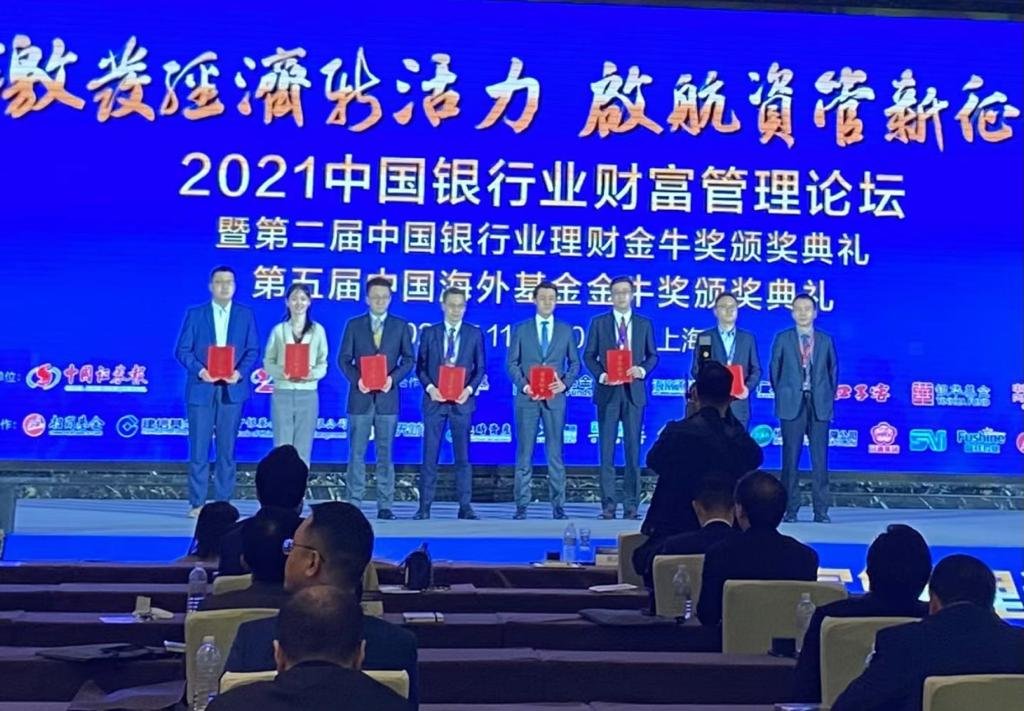
Fidelity Hong Kong’s Asian Bond Fund won the three-year overseas China Bond Golden Bull Fund 🏆
Congratulations 🥳 🎉 Fidelity Hong Kong’s Asian Bond Fund won the three-year overseas China Bond Golden Bull Fund 🏆
Senan Yuen, CIO, Fidelity China 🇨🇳 Media Coaching with Vienne Lee
Congratulations 🥳 🎉 Fidelity Hong Kong’s Asian Bond Fund won the three-year overseas China Bond Golden Bull Fund 🏆


Senan Yuen, CIO, Fidelity China 🇨🇳
2020年11月20日,由中国证券报主办的“激发经济新活力启航资管新征程—2021中国银行业财富管理论坛”在上海举行。


Mark Machin, Former President & Chief Executive Officer at CPP Investment Board
Mark Machin is the Former President & Chief Executive Officer at CPP Investments.
Recognized globally as an example of sound pension plan management, CPP Investments is guided by an independent Board of Directors, operates at arm’s length from federal or provincial governments, and is managed independently from the CPP itself.
He has been learning Finance Mandarin 1-1 with Vienne Lee since 2013.

Mark Machin, Former President & Chief Executive Officer at CPP Investment Board
Dear Friends,
I just sent this message to my colleagues at CPPIB and wanted to share it with you.
Tomorrow is my last day at CPPIB. All journeys must come to an end. It has been said that it is better to travel well than to arrive. And we have traveled well.
What an incredible latest fiscal year. When I first sat in the seat as President and CEO five years ago, the assets were $278.9 billion; and it’s wonderful to have seen them grow to nearly $500 billion as of March 31. We generated returns over the last five years that none of us could have thought likely, averaging more than 11.0% per year! And you, we, have achieved this collectively. You have burnished CPPIB’s reputation as a benchmark and model for other pension funds around the world. I am so proud of each and every one of you, and I feel lucky to have worked along side you.
As I look back over the last few years, I am particularly proud of the momentum the organization has developed in a number of key areas: the use of data for investment insights; innovation and venture capital; sustainable investing; a strengthened lead in markets in Asia and Latin America; a deepened presence in Europe; a bolstered bi-coastal presence in the U.S.; greater diversity and inclusion; total fund management; installing a dedicated CIO; and, of course, improvements in all dimensions of risk management.
More important, our organization is not just about investment returns. The returns directly translate into the security and success of millions of Canadian retirements. We have been united in a common mission to serve the Canadian public; and we have delivered through your dedication, talent, and extraordinary work. That’s all the more true during the year of COVID, as we’ve been able to give comfort and confidence to Canadians at a time of intense stress and uncertainty that their pensions are safe, sound, and flourishing. You have outperformed with grace under fire. And I applaud each of you.
From tomorrow, I will be looking on with pride, and with awe, at your continued success. I have huge confidence in your future. I’d like to give a big thank you to my colleagues on the Senior Management Team, to all of you at CPPIB, to the board, and to Canada for having given me the opportunity to have worked with you all. It has been the highlight of my career. My special best wishes to John for a long and successful tenure as CEO.
Best regards,
Mark
Talk to Vienne Lee
Find us via LinkedIn
Coaching Business Mandarin for Executive Leaders
You Learn, You Earn.

Mary Callahan Erdoes, J.P. Morgan's CEO of Asset & Wealth Management: Top 10 Themes That Will Define the Future of Asset and Wealth Management
Top 10 Themes That Will Define the Future of Asset and Wealth Management
1) Price
2) Scale is a matter of survival
3) Actively advising clients
4) Impact and purpose
Top 10 Themes That Will Define the Future of Asset and Wealth Management

J. Pierpont Morgan would be proud that many of the historical tenets of the asset- and wealth-management industry still form the bedrock of how money is managed in modern times. J.P. Morgan’s first investment fund was started in the late 1800s to serve British financiers wishing to invest in the emerging United States of America. The fund’s 150-year track record is a testament to our industry’s founding principle: While the world may change, clients’ desire for investment expertise and personalized service won’t.
With that in mind, here are 10 key themes that we look forward to helping our clients navigate in the future.
1) Price. Ever since I entered the asset-management industry, skeptics have warned that fee pressure will destroy profitability and detract top talent from the profession. Fees in every industry compress at some point. Successful firms of the future will thrive by either providing commodity-like products at scale for near-zero cost, or delivering hard-to-access insights and exposures that command a premium. Our industry must strive for continuous improvement on both ends of the spectrum.
2) Scale is a matter of survival. With compressed pricing, heavy regulatory controls, and immense spend on data, analytics, and risk-management tools, firms need a relentless focus on operational efficiency, a rigorous control framework, and a disciplined prioritization process around investments for the future. In this context, scale is key. Mergers and acquisitions and outsourcing of sub-scale and noncore capabilities to service providers will enable smaller firms to refocus their efforts back into their most important asset: talent.

JP Morgan Wholly-Owned Subsidiary in China Opened
3) Actively advising clients. If we learned anything from the Covid-19 crisis, it is the need for sound advice in volatile times. During that time, thousands of actively managed funds outperformed their passive alternatives across asset classes and portfolios. While markets may be efficient, manager selection is key and clients need guidance. The average industry return of a balanced portfolio over the past two decades was 6.4% annually, while the actual experience of the average retail investor was only 2.9%, a stark reminder of how critical hands-on advice is.
4) Impact and purpose. Portfolio managers and research analysts have become essential for investors seeking to make an impact in the world through their assets. Over 80% of surveyed CIOs expressed intent to invest in environmentally and socially conscious companies. Analyzing CEOs and their management teams is no longer just about inquiring about their financial and operational expertise and vision, but also about the impact they make on their communities and the planet. Rising demand for companies that drive positive change will create a virtuous cycle of asset allocation for good.
5) Personalization. Today’s investors want to be intentional, not passive, in investing. They care about taxes and want to overweight companies that can make a difference. They want to avoid whole sectors, or actively own and vote on a company’s strategic plans. Giving clients the freedom to pursue their very specific objectives in a highly customized manner will continue to drive innovation in our industry.

JPMorgan Asset Management MRF: 6th Mainland-HK Mutual Recognition Fund
6) Stable and predictable incomes. Millions of investors around the world have come to rely on their investment portfolios as a stable source of income. With individuals enjoying longer life spans and more active lifestyles, especially during retirement years, asset managers need to adapt their strategies to provide for a stable and predictable flow of income every month. Along the same lines, saving needs to start at a young age. Today, less than 40% of Americans have enough savings to pay for an unexpected $1,000 expense in cash. It is our collective responsibility to educate and advise on what is required to cover all of life’s events and milestones.
7) Understanding China. The pandemic has highlighted the interconnectivity of the world and how important China is to supply chains and new innovations. Against this backdrop, it is irresponsible to be a fiduciary of client capital and not have a deep understanding of places like China. It is hard to imagine having a true grasp of competitive global forces without on-the-ground insights of the economies, cultures, and politics of re-emerging global marketplaces. After 100 years of being on the ground in China, J.P. Morgan is poised to become the first foreign asset manager to acquire full ownership of a Chinese fund manager, pending regulatory approval. That kind of commitment will contribute massively to our global research network.

14th Five-Year Plan Insights: CBIRC - Real Estate - Grey Rhino with Greatest Financial Risk
8) Technology drives everything. To adapt to the velocity of progress and change, technology is providing our industry access, speed, and agility like never before. With more technologists than Google and Facebook combined, J.P. Morgan invests over $12 billion annually in technology to help empower our clients and employees to work faster and more seamlessly in ever-changing markets. We need to be forward thinking and have the ability to be a disruptor. Agile, collaborative partnerships between technologists and their businesses will drive innovation and speed to market at an exponential pace.
9) Access. With a global footprint and a full suite of investment vehicles, asset managers must continue to focus on enabling first-time investors to invest in previously inaccessible areas. We are finding ways to provide more opportunities, more choice, and more power to people. Investments once only available to the largest investors in the world are now being accessed by the everyday investor. Democratization of markets should create better outcomes for investors of all sizes.

10) A new flexibility. Our industry adapted quite seamlessly to a previously unimaginable work-from-home scenario. As such, increased flexibility will broaden talent pools and should promote greater diversity. While never losing the apprenticeship nature of our business, we should continue to find new ways of working with one another to generate even greater success.
In coming years, the industry’s winners will remain obsessed about their fiduciary responsibilities. As stewards of capital, the ability to leverage technology and scale to deliver the same extraordinary experience for every investor, with $100 or $100 million, is now within reach.
Book your Asset Management Certificate at Finance Mandarin
Talk to Vienne Lee
Find us via LinkedIn

I can do self-study to learn Mandarin already, what is the point of joining Finance Mandarin?
“ I don’t have a teacher that gives me immediate responses.”
*Alexander Bryan, a C-suite English speaker working in the capital market, frustrated when he first tried to study on his own.
Alex is highly motivated to learn Mandarin even before joining Finance Mandarin. He had tried studying by himself. But soon he acknowledged the drawbacks of it, he did not know whether he is doing right on the pronunciations and usages of the vocabularies. There is no one to correct his pronunciations. Besides, he can only learn a few words but they are not for business purposes!

“ I don’t have a teacher that gives me immediate responses.”
*Alexander Bryan, a C-suite English speaker working in the capital market, was frustrated when he first tried to study on his own.
Alex is highly motivated to learn Mandarin even before joining Finance Mandarin. He had tried studying by himself. But soon he acknowledged the drawbacks of it, he did not know whether he is doing right on the pronunciations and usages of the vocabularies. There is no one to correct his pronunciations. Besides, he can only learn a few words but they are not for business purposes!

The materials he accessed to was not designed for business purposes, not to mention learning the finance terms you will come across in your work. There is also no proper feedback for further explanations. There are usually no cultural aspects taught as well. While there are no interactions between teachers and students, no motivations and no comprehensive lesson plans, Alex finally made his choice:
Coming to 1 on 1 Finance Mandarin focused learning to prepare for his next business trips to Shanghai and Beijing soon.
For absolute beginners like Alex, there will be basic topics at the beginning at Finance Mandarin, and they are all customised. For Alex, we prepared some commonly used wordings in business greetings to start with, with content adjusted according to his position and company. We have been through a joyful lesson time indicated by positive feedback received afterwards!

Resources online lack personalized content for executives. With that being said, Finance Mandarin provides all of them, including but not limited to business context, cultural aspects, interactions with top trainers, motivations and customised learning path. These are also the reasons why Alex come to us.
“Speaking the language helps my business in a foreign country”
Alex considered himself innovative and open-minded. He has been working in different countries and is willing to learn new things. As suggested by his past experience working in a foreign country, he believes learning the local language helps him better communicate with colleagues and clients in the country although English is the medium of communication. Not to say in China, most universities, local companies and press are using Chinese as the major language.

“Very happy to start the work”
We are also happy to have received Alex’s positive feedback!
*Alias
Talk to Vienne Lee
Find us via LinkedIn


Finance Mandarin pursues FOUR Connected Strategies | WIN-WIN | Learn Chinese with the best | Business Mandarin Hong Kong
WIN-WIN: Business Models for Transforming Customer Relationships.
FOUR Connected Strategies to establish long-lasting relationships with clients:
✔️ Respond to Desire
✔️ Curated Offering
✔️ Coach Behaviour
✔️ Automatic Execution

Business Models for Transforming Customer Relationships
With mobile and wearable devices, customers get an improved experience when successful firms have more frequent customised interactions with them.
Companies now can anticipate customer needs as they arise, or even before. So as Finance Mandarin:
1. Respond to Desire
Provides customers with services once they recognize what they need
Comprehensive SWOP analysis and consultation with Program Director @Vienne
Finance Mandarin AI Learning Platform with 180,000 hours of financial materials to be accessed anywhere and anytime
2. Curated Offering
Presents customers with a set of personally tailored options that might interest them
All Finance Mandarin courses are tailor to your needs.
Ensure you get you job and promotion you deserve
Finance Mandarin customise your learning path according to your preferred company, position and financial knowledge
3. Coach Behaviour
Encourages customers to achieve larger goals with lower costs effectively and efficiently
Interactive classes and engaging tutors encourage students to speak up
Designs learning path to keep up with the progress
4. Automatic Execution
Anticipates and meets the needs of customers even before they have become aware of those needs themselves
AI Learning Platform allows you to revise anywhere and anytime with clear KPI stated
15+ comprehensive courses tailored to your needs READY to book: www.financemandarin.com
Some HOT topics🔥: Asset Management, IPOs, Private Equity

Finance Mandarin uses the combination of strategies to closely connected with you. We provide excellent learning experience and build long-lasting relationships with you.
You Learn, You Earn.
Harvard Business School
Vienne Lee recommends connected strategy
Finance Mandarin Connected Strategy:
Connected Strategy: Building Continuous Customer Relationships for Competitive Advantage by Nicolaj Siggelkow and Christian Terwiesch
At Finance Mandarin: www.financemandarin.com
Bankers speak mandarin | Asset Managers Capture China Market | Prepare for Finance Jobs | Mock Job Interviews | China Market Success

6 Facts You Need To Learn About Xiaohongshu 小红书 | Learn Business Mandarin with Vienne Lee
What is 种草(seeding/grass plating), which is widely used by the Chinese on social media platforms?
Xiaohongshu IPO LIVE event on 4 June 2021, 9.30 a.m. They discussed the key leaders of Xiaohongshu, explored its business model and challenges. At Finance Mandarin, we provide the latest market insights and case studies to help corporate leaders master the Mandarin language skills, to prepare for Mandarin communication with Chinese clients.
Vienne Lee and Debbie Chen hosted a Xiaohongshu IPO LIVE event on 4 June 2021, 9.30 a.m. They discussed the key leaders of Xiaohongshu, explored its business model and challenges. At Finance Mandarin, we provide the latest market insights and case studies to help corporate leaders master the Mandarin language skills, to prepare for Mandarin communication with Chinese clients.
What is Xiaohongshu?
Xiaohongshu is an e-commerce (电商)and social media platform (社交平台)that allows users to share their product feedback and lifestyles. It has over 300 million users worldwide.
What is 种草?
种草 (seeding/grass plating) is a network term created on Xiaohongshu’s platform. It means to be influenced to purchase something. Hence, the consumer’s purchasing behavior is greatly influenced by KOLs and KOCs. This has created a large e-commerce and advertisement platform for Xiaohongshu.
By studying this case study, you will be able to:
✔️ Identify the listed capital of Xiaohongshu
✔️ Realize the investment from well-known institutions
✔️ Predict potential challenges
✔️ Analyze the competitiveness
Vienne has prepared 8 real case studies about Xiaohongshu. Learn more at Finance Mandarin.
Connect with Vienne Lee to book a course
Coaching Business Mandarin for Executive Leaders
You learn, you earn
“Hong Kong Bankers need to Speak Better Mandarin. That's Why they Come to me”
“If an interviewer at a bank in Hong Kong wants to find out how well you speak Chinese, they won’t ask you ‘how good is your Mandarin?’ They’ll just ask…
“If an interviewer at a bank in Hong Kong wants to find out how well you speak Chinese, they won’t ask you ‘how good is your Mandarin?’”, says Vienne Lee, director of language coaching company Business Mandarin. “They’ll just ask a normal question like ‘can you compare Tencent and Alibaba’s business models?’ and see how well you respond in Mandarin.”
Since setting up her company in the late 1990s, Lee has tasked herself with improving the Mandarin skills of some of Hong Kong’s leading bankers at firms such as J.P. Morgan, Goldman Sachs, Morgan Stanley, HSBC, UBS, and BlackRock.
Over the past year, as Western banks have cut jobs in Hong Kong and Chinese firms have increased their hiring, Lee has seen an uptick in unemployed financial professionals seeking assistance with their job searches.
“We’re also working with more bankers who are on gardening leave or are setting up their own hedge funds or family offices,” she says. “We polish their Mandarin communication skills for the finance sector, and coach them about building networks and interviewing.”
But Mandarin isn’t only important when you’re looking for work. Lee, whose firm focuses on financial services and mainly takes on clients at the VP level and above, helps bankers perform better on the job.
“I recently had an Australian client who was able to complete an opening presentation to 170 people in Chinese – it went extremely well, with applause in all the right places,” she says. “If you can go from nothing to making a speech to a Chinese audience, it also shows your colleagues and clients that you’re committed to doing business in China.”
Western finance professionals operating in China and living in Hong Kong – whether they are complete beginners or already know some Mandarin – make up about 60% of Lee’s students.
Another 20% are Cantonese-speaking Hongkongers whose written Chinese is good but who want to polish their Mandarin pronunciation. “Thirdly, we teach overseas-born Chinese who speak a bit of basic Mandarin at home, but can’t cut it in the Chinese financial world so need help with terminology in areas like due diligence, modeling, and valuation.”
Whatever their background, most bankers find learning Mandarin challenging. “Sometimes they don’t have enough time for classes and revision. And there’s the sheer volume of financial terminology and the difficult tones and grammar,” says Lee.
Understanding the Chinese Business Culture
She also helps Westerners adjust to the different presentation styles they will encounter in China. “For example, they often think it’s necessary to make a joke at the start of a speech and play themselves down,” explains Lee.
“But in China, you need to show people you’re the boss – especially if you’re presenting to them for the first time – otherwise they won’t look up to you as a role model. When we’re coaching people, we show them speeches from Chinese business and political leaders,” she adds.
The growing importance of Mandarin
Lee says she always had a “passion” for the Chinese language. After organizing financial conferences in 1998 – soon after China assumed sovereignty over Hong Kong – she realized that Mandarin would become increasingly important to banking careers in her city.
“The conferences connected me to more than 1,000 people in the finance sector. And I saw a gap in the market: bankers wanted presentation, pitching, and interviewing skills in Mandarin that were tailored to the technical needs of their jobs,” she says. “To secure Chinese deals, you need to understand China – both its language and its culture.”
Coaching Business Mandarin for Executive Leaders
You learn, you earn